Common Mistakes Homeowners Make With DIY Hardwood Floor Installation
Homeowners seeking to avoid common mistakes with DIY hardwood floor installation can benefit from local contractors who specialize in proper installation techniques and expert guidance.
Homeowners considering a DIY hardwood floor installation often face common pitfalls that can impact the final result. If you're exploring this project, you're in the right place to find practical insights that can help you avoid costly mistakes and ensure a successful outcome. Many property owners in the area turn to local contractors for guidance and professional services to handle complex aspects of hardwood flooring, such as proper subfloor preparation and precise installation techniques. Continuing to read can provide valuable tips and highlight how local service providers can support your project, whether you choose to do it yourself or seek expert assistance.
Understanding the typical errors made during DIY hardwood floor installation can save time, money, and frustration. From improper acclimation of the wood to overlooking important expansion gaps, these mistakes are common but easily preventable with the right knowledge. Local contractors are experienced in addressing these challenges and can offer services that complement your efforts or take over the installation entirely. Keep reading to learn more about common pitfalls and how professional help can ensure your hardwood floors look great and last for years to come.
- Hardwood floor installation - homeowners considering DIY projects may overlook proper subfloor preparation, which local contractors can address to ensure a stable foundation.
- Hardwood floor installation - mistakes like improper acclimation of wood planks can lead to gaps or buckling, and local service providers know how to manage humidity and temperature adjustments.
- Hardwood floor installation - attempting to lay flooring without correct expansion gaps can cause future issues, but experienced pros ensure these are properly incorporated during installation.
- Hardwood floor installation - DIYers might neglect finishing techniques, resulting in uneven surfaces or visible seams, which local contractors can expertly smooth and seal.
- Hardwood floor installation - errors such as rushing the installation process can compromise the entire floor's durability, but local service providers follow best practices for a long-lasting result.
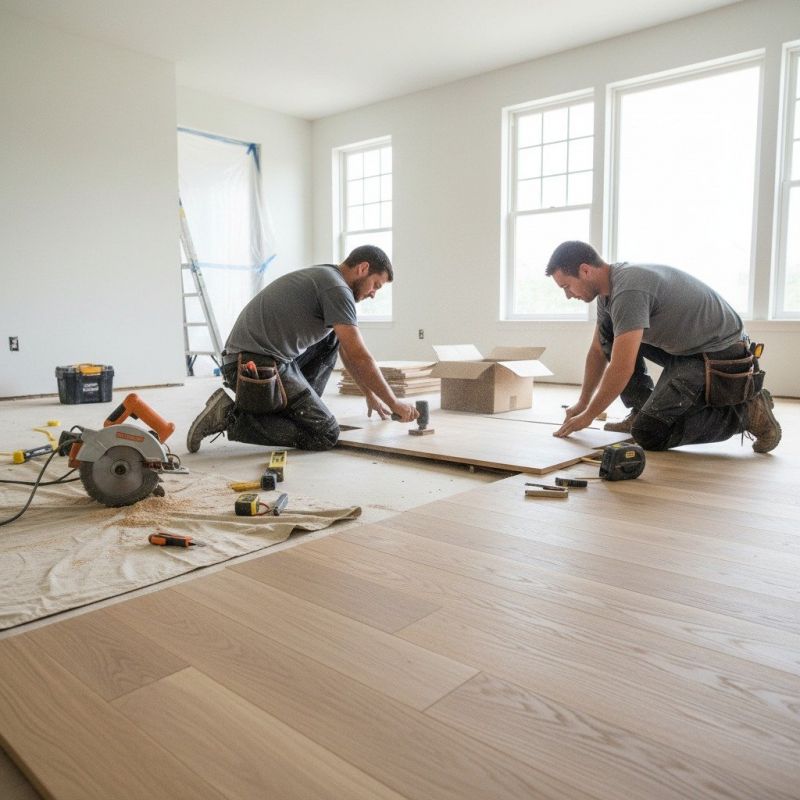
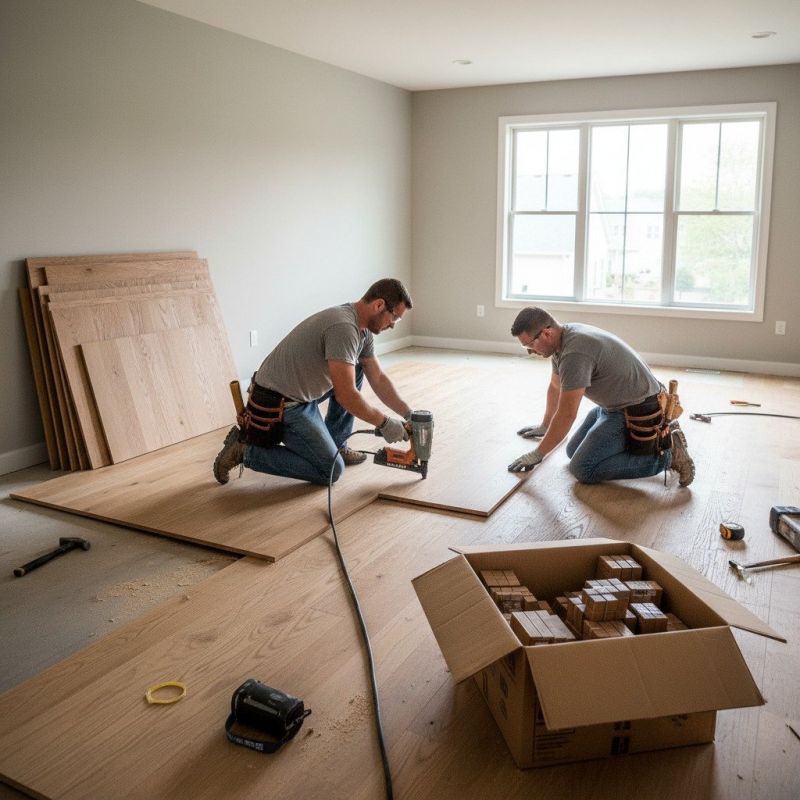
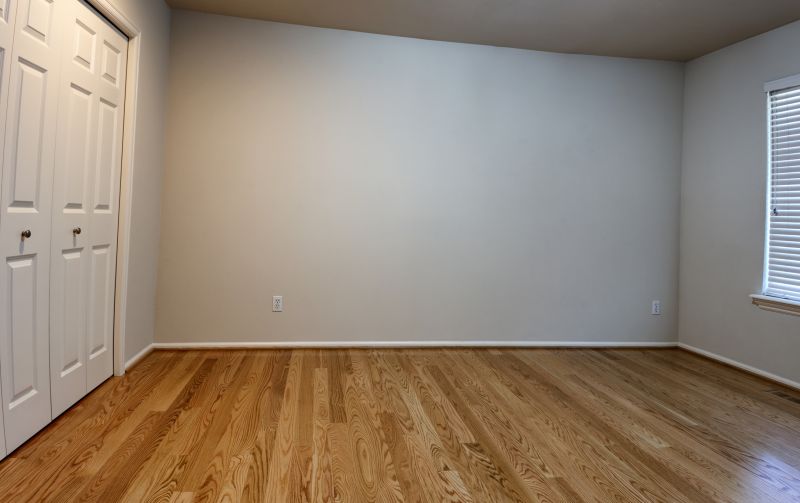
When homeowners search for information about common mistakes with DIY hardwood floor installation, they often mean to understand the typical pitfalls that can occur when attempting to install hardwood flooring without professional help. This topic relates to plans of upgrading or renovating a home’s interior, especially in spaces where durability and appearance are important. Many property owners consider DIY projects to save money or enjoy a hands-on approach, but they may not be fully aware of the complexities involved in installing hardwood floors properly. These projects usually come up in residential properties, such as single-family homes, townhouses, or condos, where homeowners want to improve the look and value of their living spaces without necessarily hiring a contractor from the outset.
Common mistakes homeowners make with DIY hardwood floor installation often stem from a lack of experience with the specific requirements of flooring materials. For example, improper subfloor preparation, such as uneven surfaces or inadequate moisture barriers, can lead to issues like buckling or gaps over time. In addition, incorrect acclimation of the hardwood planks before installation can cause expansion or contraction later, resulting in gaps or warping. These problems are especially relevant in properties with varying climate conditions or older substructures that require careful assessment. Homeowners may also overlook the importance of proper tools and techniques, which can cause damage to the planks or lead to uneven installation, ultimately affecting the floor’s appearance and longevity.
The types of properties most often associated with these concerns are residential homes with existing wood or concrete subfloors. Houses with older flooring may present additional challenges, such as uneven surfaces or outdated subflooring that needs reinforcement. Newer properties might still encounter issues if the homeowner neglects to follow manufacturer guidelines or fails to prepare the space adequately. Townhouses and condos, which often have shared walls and limited access, can also make DIY installation more complicated, increasing the risk of mistakes that affect neighboring units. For homeowners facing these scenarios, working with local contractors who specialize in hardwood floor installation can help avoid common pitfalls and ensure a high-quality result that lasts.
Professional service providers are well-equipped to handle the nuances of hardwood floor installation that homeowners might overlook. They can assess the specific conditions of a property, recommend appropriate materials, and execute the installation with precision. Local pros understand how to properly prepare subfloors, acclimate hardwood planks, and install flooring in a way that minimizes future problems. Engaging experienced contractors not only helps prevent the common mistakes associated with DIY projects but also provides peace of mind that the finished floor will be both attractive and durable. For those considering a hardwood flooring upgrade, connecting with local service providers can be a practical step toward achieving a professional-quality result without the risks of a DIY approach.
Subfloor Preparation - proper subfloor assessment and preparation are essential skills shared with hardwood floor installation, and local contractors can ensure a stable foundation for flooring projects.
Measuring and Planning - accurate measurements and layout planning are common to many flooring-related projects and can prevent mistakes during hardwood installation.
Tool Handling and Usage - proficiency with tools like saws, spacers, and measuring devices is vital for hardwood flooring and other carpentry tasks handled by local service providers.
Surface Finishing - techniques for sanding, sealing, and finishing surfaces are relevant to both hardwood flooring and other wood-based projects performed by local contractors.
Moisture Control - managing moisture levels and acclimating materials are critical skills that also apply to installing other types of wood or laminate flooring.
Layout and Pattern Design - designing and executing flooring patterns require planning skills similar to those used in tile or custom woodwork projects offered by local pros.
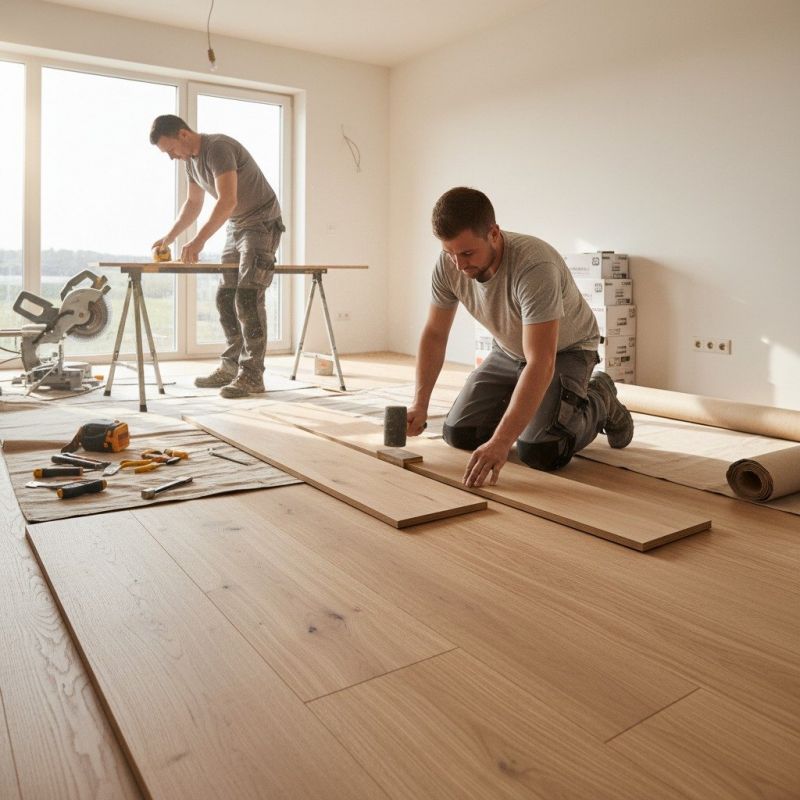
When comparing service providers for hardwood floor installation, it’s important to consider their experience with similar projects. Homeowners should inquire about how many hardwood flooring installations the local contractors have completed and whether they have worked on projects comparable in size and complexity. An experienced professional is more likely to understand the nuances of proper installation techniques, which can help prevent common mistakes associated with DIY approaches. Looking into a contractor’s portfolio or asking for examples of past work can provide insight into their expertise and help ensure the project will be handled with the necessary skill and knowledge.
Clear written expectations are essential when evaluating local service providers. Homeowners should seek detailed estimates and scope of work to ensure that both parties have a mutual understanding of the project requirements. This includes discussing the materials to be used, preparation steps, installation methods, and finishing details. Having these expectations documented helps prevent misunderstandings and ensures that the project aligns with the homeowner’s goals. Service providers who communicate openly and provide comprehensive written plans are often better equipped to deliver a successful installation, reducing the risk of issues that arise from miscommunication or overlooked details.
Reputable references and good communication are key factors when choosing a contractor. Homeowners should ask for references from previous clients who had similar work done and follow up to learn about their experiences. Reliable local contractors typically have a track record of satisfied customers and can provide insights into their professionalism and quality of work. Additionally, good communication throughout the process-such as responsiveness to questions and clarity about timelines and procedures-can help address concerns early and keep the project on track. This level of transparency and responsiveness can be instrumental in avoiding the pitfalls that often accompany DIY hardwood floor installation mistakes.
Property owners often search for common mistakes homeowners make with DIY hardwood floor installation when they are planning practical projects around their homes and businesses. Local pros provide Hardwood Floor Installation services for everyday jobs and straightforward project options.
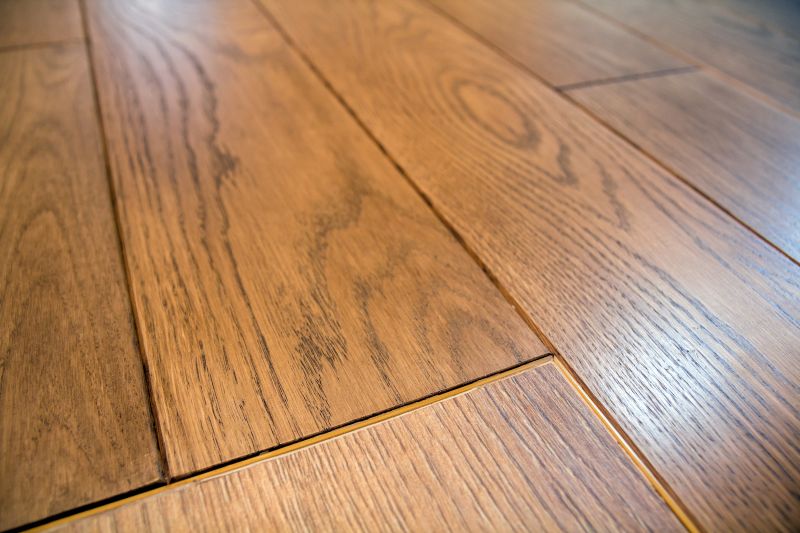
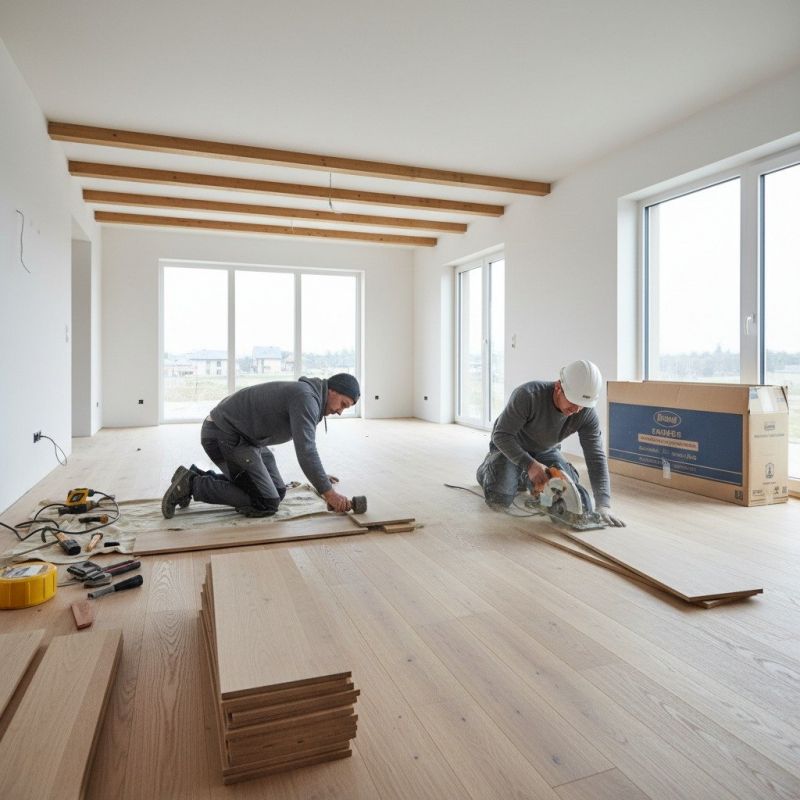
Homeowners attempting to install hardwood floors themselves often overlook the importance of proper surface preparation. Skipping steps like thoroughly cleaning or leveling the subfloor can lead to uneven surfaces, causing gaps, creaks, or warping over time. Many property owners in the area look up this topic because they realize that professional service providers have the experience and tools to ensure a smooth, even foundation, which is critical for a durable finish.
Another common mistake involves improper acclimation of the hardwood planks before installation. Failing to allow the wood to adjust to the ambient humidity and temperature can result in expansion or contraction after the floors are installed, leading to gaps or buckling. Local contractors who specialize in hardwood floor installation are well-versed in these environmental factors and can help property owners avoid costly mistakes by ensuring the flooring is properly conditioned prior to installation.
What is a common mistake homeowners make when preparing subflooring for hardwood installation? Many homeowners overlook the importance of properly leveling and cleaning the subfloor, which can lead to uneven surfaces and gaps. Hiring local contractors ensures the subfloor is correctly prepared to prevent future issues.
Why is choosing the wrong type of hardwood flooring a mistake in DIY installation? Selecting flooring that doesn't suit the home's environment or usage can cause warping or damage. Experienced service providers can recommend the best flooring types for specific conditions.
How can improper acclimation of hardwood planks cause problems? Failing to allow hardwood to acclimate to indoor conditions may result in expansion or contraction after installation. Local pros typically handle proper acclimation to ensure stability.
What mistake relates to installation techniques that can affect the durability of the floor? Using incorrect nailing, stapling, or adhesive methods can compromise the floor’s longevity. Professional installers follow proper techniques to ensure a secure, lasting installation.
Why is neglecting expansion gaps a common error in DIY hardwood floor installation? Not leaving adequate space for expansion can cause buckling or warping over time. Experienced service providers ensure proper spacing to accommodate wood movement.
Skipping proper subfloor preparation - ensuring the subfloor is clean, dry, and level helps prevent future issues like warping or uneven surfaces, making it easier for local contractors to deliver a smooth installation.
Ignoring acclimation of hardwood planks - allowing the flooring to adjust to the home's humidity and temperature conditions before installation reduces the risk of gaps or buckling, which local pros can advise on.
Overlooking the importance of correct spacing and expansion gaps - leaving appropriate gaps around the perimeter prevents floor movement and damage, a detail that experienced service providers can help incorporate into the project.
Rushing the installation process without proper planning - planning layout patterns and choosing the right materials in advance ensures a cohesive look and avoids costly mistakes, with local contractors offering valuable guidance.
If you are thinking about common mistakes homeowners make with DIY hardwood floor installation for a property, this guide is meant to help you understand this topic, the typical project types, and how different options might fit your plans.
When you are ready, you can use the quote form on this page to share a few details about your project. From there, local pros can review the basics and follow up with options that match what you have in mind.